My photo
Retired from 10 years in the Canadian Navy, and 28 years in the Canadian Diplomatic Service, with postings in Beijing, Mexico City, Sri Lanka, Romania, Abu Dhabi, Guyana, Ireland, Trinidad, and, last but not least, India.
Showing posts with label Realms of Gold. Show all posts

Thursday, 24 January 2019

Realms of Gold


Realms of Gold


A Poetic Series

by

James Douglas Fanning


"Much have I travelled in the realms of gold,
and many goodly states and kingdoms seen..."
John Keats
On First Looking Into Chapman's Homer


Thursday, 28 July 2016

Demarara Flow


A kaleidoscope of colour and sound:
here, a grove of bamboo poles
waving strips of bright cloth
call for the blessing of revered
and ancient Gods
on an East Indian wedding;
there, the explosion of Stabroek Market
scatters vendors’ stalls across
the old Dutch square.

Papaws and mangoes vie
with books, tee-shirts,
music tapes and CDs:
the sound of Bollywood
competes culturally with
urgent soca and hip-hop
as stall-owners musically flaunt
their ethnic roots.

Beyond the Clock Tower 
the Demerara flows in muddy splendour
patiently supporting 
motley bum-boats, freighters,
fishing boats, and
the occasional Amerindian dugout.
The ghosts of the Jonestown dead
wander here, betrayed
by their leader’s selfish view
of Heaven.

The Seawall protects this small city,
where a system of dykes,
and drainage ditches
return high tide seepage,
the skill of the Dutch founders
still evident today.
With wooden buildings,
and gun-carrying diamond miners,
this frontier town offers temporary shelter
from the encroaching, and pervasive jungle,
that waits just miles away.


As custodians of this beautiful,
resource-rich country,
these descendants of African slaves,
of indentured East Indians,
have blended their collective experience
into unique forms of politics,
art, music, cuisine,
and a melodic language
that baffles and delights
the foreign ear.
Part Caribbean, part South American,
these capable people
take the best of both worlds,
and make it unmistakeably
their own.

Tuesday, 7 April 2009

The Vale of Kashmir


A chill wind descends
from the lofty meadows of Gulmarg.
It carries the scent of those same wildflowers
that captivated noble Sultan
Yusuf Khan six hundred years ago.
It sweeps across the mirror surface
of Dal Lake,
gently rocking the stately cedar houseboats
that recall the elegance of the Raj.
Busy shikaras, those bustling workboats
of this Venice of the Himalayas,
ply their trade along watery avenues
bordered by tall deciduous trees
whose leaves and blossoms
give accent to these shining lanes.

In Srinagar’s marketplace
the vendors’ calls
exaggerate the splendour of their wares.
The cacophony is joined
by the muezzin calling the faithful
to the ancient mosque Jama Masjid,
where Sultan Sikandar
sought favour with his god.
The market’s wooden buildings
have a worn and beaten look:
the price of continuing war
and ethnic violence engraved
on their facades.

Far above the valley,
on the fabled road to Ladakh,
the golden fields of mustard
wave a tribute
to the snow-clad guardians
of this troubled valley:
the mountains wait,
and dream of peace.
Glacial streams leap noisily
to strengthen roots
of mighty chinar trees,
whose ancient spires
daily fall to economic growth.
Across the valley
the Nanga Parbat mountains
swallow a golden sun,
and darkness
claims its due.

Thursday, 2 April 2009

Rishikesh


After the holy city of Haridwar
the dusty plains are left behind.
In the distance the foothills climb
to the top of the world,
and here, like an Intercessor
between the gods and man,
nestles Rishikesh.
Embracing Mother Ganga
this religious fantasy come true
hosts graceful temples,
garish artifacts,
peaceful ashrams.

The gentle sweetness of charas
fills the air, and the eyes of sadhus,
and other holy men,
testify to the effectiveness
of their communion.
Avatars walk the narrow streets,
surrounded by the swirling notes
of chants and mantras,
pleased with this bustling invocation
of the ancient Way.

The ghats are busy,
confirming the endless dance of Natraj,
with the fire and smoke
symbolising destruction and rebirth,
while the Ganges welcomes
the ashen remnants
of this cycle of the Wheel.
Floating candles in small clay boats
illuminate the river’s gentle flow,
bearing sparks of Brahman home.

Thursday, 30 August 2007

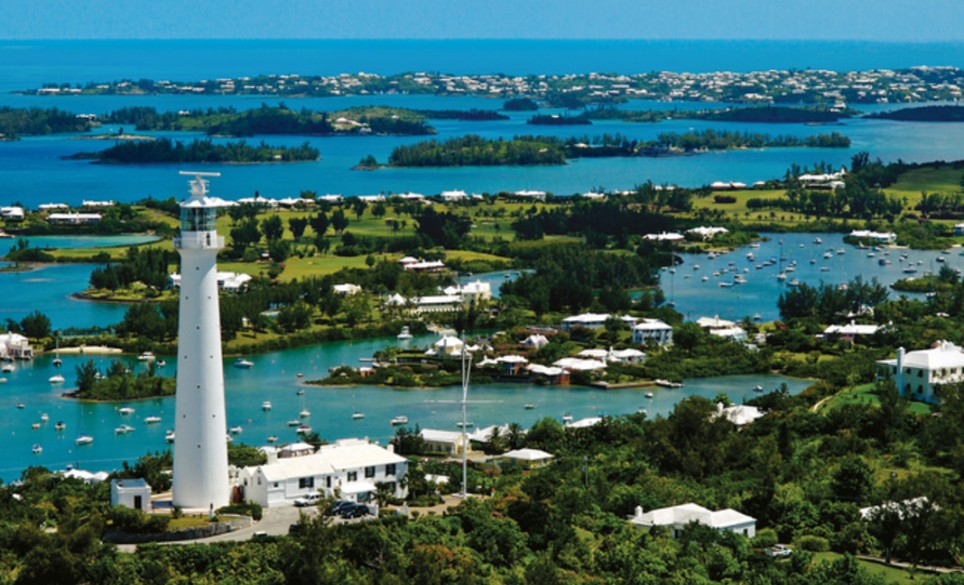
On First Seeing Bermuda


Southeast breeze carries
scent of jacaranda,
eucalyptus,
oleander, and bougainvillea.

Houses of pastels
that breathe in gentle sunlight:
perfection set in
manicured lawns.

Accents attenuated
from the harsher Caribbean,
friendly voices
greet, and smile.

From Gibb’s Hill,
a visual smorgasbord
tasting subtly, and sadly,
of Eden lost.


Monday, 27 August 2007

The Cinnamon Gardens Commute


I remembered, this morning,
the early morning walk
from six upon three (6/3) Wijerama Mawatha
to number six Gregory’s Road.

I smelt again the texture
of the Sri Lankan dust
stimulating my nose;
the pungency of rotting vegetation
piled by storm drains
that awaited the next
monsoonal overflow;
and the eye-watering sharpness of a length
of burning coir rope
hanging outside a small roadside lean-to
so that customers could light
their purchased beedis,
made from the sweepings
of the nationalised Benson Hedges factory,
catering to the addictive needs
of the working class.

This, and the deep brown sweet aroma
of stacked pieces of jaggery fudge,
home-made from coconut sugar,
blending in exotic melange
with the spicy call of
devilled cashew nuts:
all proffered by a smiling proprietor
with a name as exotic
as his varied wares.

I pass Horton Place,
and stare in envious wonder
at Professor Arthur C. Clarke’s
satellite dish,
as the kerosene man passes me,
his bullock cart lending
strange contrast in a land
where paradox is commonplace.

Turning onto Gregory’s Road,
I am flanked by a phalanx
of pink cassia, breadfruit,
frangipani, teak, various mimosa,
and the towering cinnamon trees
that give the area its name.
The distinctive call of the knife-sharpener,
brings cooks running from their busy kitchens
to take advantage of his curb-side trade.

The fecund olive trees in the garden
of the High Commission
are dropping their abundant fruit:
a neon flash of parakeets bursts
from laden branches,
as I start another
long day at the office.

Monday, 20 August 2007

Bucharest Spring: 1982


Strains of gypsy violins
floated, in aural rhapsody,
on the sumac scented air
of Floreasca Park.
Other lovers
also strolled,
but we were elsewhere-
a place out of time,
where we existed
     only in our eyes.

Cherry blossoms burst
in vernal excitement
in the gardens
of the old Bucur Restaurant.
The open window
by our mezzanine table
with its guttering candle,
admitted a subtle miasma
that focussed our world
     to this eternal moment.

The rain-washed cobbles
of Calea Victoriei
echoed reflected fairy lights,
illuminating the enchanted night.
The Arcul de Triomphe
loomed from the mist,
a monumental signpost
on the magical journey
that would lead us, spell-bound,
     into our shared future.

Beijing Morning


The dragon awakes. Stretching,
with a rattle of scales, he yawns.
The sun, rising
in the east, is red.*

At seven in the morning
the Imperial City is alive
beneath the lifting night shroud
of coal smoke
Japanese cars have replaced
ten million bicycles.

The stone lions keep watch
over Tien-an-min;
in their snarls, surprise
at Chang’An traffic.
The masses sport Gucci,
Dior, where once blue ruled.
Hot breads, tea, and tai chi
still prevail.

In the Western Hills
the Buddhas watch, bells tinkling,
a delayed Industrial Revolution
struggling, growing.

In the compounds and factories
where once loudspeakers preached
Party lines, headlines in low fidelity,
CD stereos play.
MTV replaces the Red Book.
Children march in day care centres:
sailing the educational seas
no longer depends on the Helmsman.*

The dragon,
eyes weak with sleep,
cannot yet see beyond his lair.
Hunger rumbles in his vitals,
and soon he must roam
beyond his hills.

—James D. Fanning
* In the 1960s and early 70s, two of the songs heard most frequently over public loudspeakers throughout China were The East Is Red, and, Sailing the Seas Depends on the Helmsman (a reference, of course, to Chairman Mao). jdf

Abu Dhabi Mosaic


The Corniche skirts
the bath-warm waters of the Gulf,
jewelled with elegant,
pristine office towers
that caress
a sere and scorching sky.
Mercedes and Lexus,
adorned with gold-plate trim,
sedately chauffeur
the descendants of the Bani Yas
through what, only a few decades past,
was a collection of tents
and mud huts
sprinkled across
the unforgiving sand.

At the Gold Souk
black-garbed women seek
golden adornment
that will remain hidden
beneath voluminous abbaya,
while their dark and canny eyes
flash through gold-threaded
full facial masks.

At the Sheridan,
a doorman folds back massive doors
that permit access
to yet another gold-plated Merc.
The occupant joins colleague
on an arrangement of embroidered cushions
on the marble floor
of the air-conditioned lobby.
A brazier of coals heats coffee
offered in traditional and ancient
desert hospitality.

Sparkling new pickup trucks
transport contemptuous dromedaries
whose racing skills will be tested
at the evening camel races.
To the south the hypnotic dunes
march relentlessly towards
the Rub al-Khali, the Empty Quarter,
where hides Uban,
the fabled lost city of Arabia,
beneath its timeless sands.

A Drive to Tangalle Bay


The road from Colombo,
an olfactory hallucination,
ambles south
in a cloud of curry spice,
the saline scent of breaking surf,
and the humble miasma
of coir,
drying in the sun.

Past the neo-hippie haven
of Hikkaduwa,
jewelled with topless bathers,
glass-bottomed boats,
and the elusive, sweet,
suggestion of cannabis
on the warm breeze.

Through the old Dutch fort
of Galle,
roadside vendors
offer drinking coconuts,
hot samosas,
and tasty, dark
jaggery fudge,
made with palm sugar.

Buddhist temples
and images
sprinkle villages
with sanctuaries of calm
and contemplation:
respite from the wave
of tourists
who somehow impart
a garish patina of crassness
upon this gentle land.

At night,
from Tangalle Bay,
stars cascade
into a southern sea,
and are answered
by the bobbing lanterns
of night fishermen
in outrigger dugouts.
Mature waves break
on sandy shingle,
while their kindred march,
unimpeded,
to Antarctica,
eight thousand miles away.

Thursday, 24 May 2007

Desert Campfire


Outside the myopic circle
of light,
the Range Rover crouches
like some cubist sculptor’s tribute
to the humped beasts
the vehicle seeks
to replace.

The stars, just inches overhead,
act as ancient signposts
to the fabled secrets
of the Rub al Khali,
“The Empty Quarter.”

The restless dunes
huddle close,
then sprint for the horizons
of a very different reality.

The sand, coaxed by the night breeze,
sings its abraded song,
of death, of renewal,
of eternal change.

The Ancient Hippie

The Ancient Hippie
Natraj dances with us all.

Welcome, and Namaste

Greetings fellow travellers,

For you American friends visiting, you will notice that this old Canadian uses Canadian English in this blog: kindly bear with me. As I blog primarily on subjects that are vitally interesting to me, I appreciate all feedback.

As I tend to be a bit of a language usage freak, I will, as required, edit obscenity and rude comments. That said, I welcome your opinions and discussion.

May your Dharma be clear

Peace

"If we shadows have offended,
Think but this, and all is mended:
That you have but slumb'red here,
While these visions did appear."


Puck’s epilogue to A Midsummer Night’s Dream